Index 05 / Field Notes
Notes from the workbench.
Writing on footwear design, footwear development and footwear engineering.
15 Aug 2023 – Footwear Design
The future is footshaped!
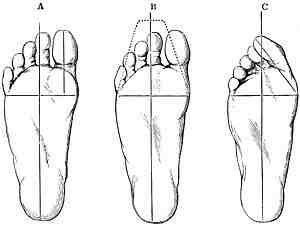
Look down at your bare foot. Now look at the toe box of your sneaker. Chances are they do not match – your foot tapers gently outward from heel to toes, while your shoe narrows to a point. That mismatch has been the industry standard for over a century, and foot-shaped footwear, often called “barefoot shoes,” is the first real challenge to it.
Why Shoes Got This Shape in the First Place
The pointed, narrow toe box is not a biomechanical decision – it is a manufacturing and fashion one. Mass shoe production in the 20th century favored symmetrical lasts (the foot-shaped molds shoes are built around) that were cheaper to produce and easier to standardize across sizes. Pointed and tapered toes also photographed well and fit the eras fashion silhouette, so the look stuck. Cushioned heels and rigid arch support followed later, marketed as protection and correction, even though feet had functioned without them for millennia.
Why It Has Taken This Long to Change
A few forces kept the traditional shape entrenched: entire manufacturing supply chains were built around standard lasts, retooling is expensive, and consumers were trained for decades to associate thick cushioning and arch support with quality and safety. Podiatric orthodoxy reinforced this too – until more recent research on gait, proprioception, and minimalist movement started gaining traction. It also took a critical mass of runners, physical therapists, and biomechanics researchers publicly questioning “corrective” footwear before brands had enough demand signal to justify the shift.
The Case for Space – Especially for Your Big Toe
The big toe does more work than people realize. It is your primary lever for push-off and balance, and it needs to sit straight, not angled inward as most tapered shoes force it to. When toes are compressed:
- They cannot splay naturally on impact, which reduces stability
- Balance suffers because the toes lose their role as sensory feedback points
- Over years, compression contributes to bunions and hammertoes
Foot-shaped shoes give the forefoot its natural width back, letting toes spread and grip the ground the way they would barefoot – improving balance, strength, and comfort over time.
The Future Is Foot-Shaped
Foot-shaped footwear is not a fringe trend anymore – it is a correction. As more research validates natural foot mechanics and more brands invest in wide-toe lasts, thinner soles, and flexible builds, this approach is moving from niche to mainstream. The century-old assumption that feet should conform to shoes is finally being replaced by the far more obvious idea: shoes should conform to feet.
29 Jul 2026 – Footwear Development
Useing Ai in my workflow.
COMING SOON!!
07 Sep 2026 – Footwear Manufacturing
Pre-Made vs. Custom Outsoles: What Every Footwear Startup Needs to Know
Ask any first-time footwear founder what nearly derailed their launch, and the answer often is not the upper, the branding, or even funding – it is the outsole. The sole unit is usually the last part attached on the production line, yet it is arguably the most important part of the shoe. It shapes comfort, durability and traction, and it does just as much to define your brand as anything above it. Get it wrong, or discover too late what it costs to get right, and the whole plan can wobble.
What Is a Sole Unit, and Why Does It Matter So Much?
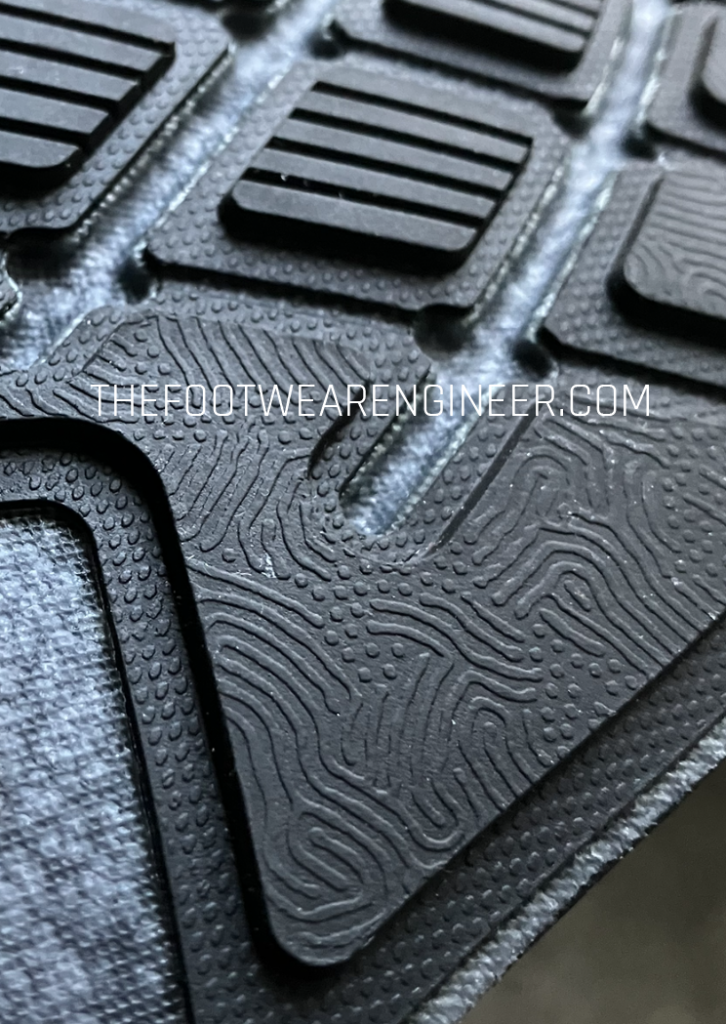
The sole unit is the base of the shoe: outsole, midsole and often footbed, engineered together for cushioning, grip, flex and shape. It is easy to treat as a technical afterthought while you are absorbed in colourways and branding, but the sole is where performance and identity actually meet. It decides how the shoe feels underfoot, and whether the finished product looks like the brand you set out to build.
The Real Cost of Tooling a Custom Outsole
If you are new to footwear manufacturing, the economics come as a shock. Most factories work to large minimum order quantities, before tooling is even mentioned. A steel mould is required for every sole size, typically costing $1,500 to $5,000 depending on complexity, so multiply that across a size run and a fully custom outsole can mean a five-figure investment before a single pair sells.
Why So Many Startups Choose Pre-Made Outsoles
This is exactly why pre-made, or “stock,” outsoles have become the default starting point for early-stage footwear brands. With sole suppliers now operating worldwide, founders can source a ready-made unit, skip the mould cost entirely, and reach market in a fraction of the time. For validating demand before scaling, it is hard to argue with the economics.
The Trade-Off Founders Should Expect
Pre-made soles are not free of compromise. You are choosing from someone else’s shape, tread and proportions, which can pull your product away from your vision. Because the same units sit on shelves for competitors too, it is also harder to build a signature look at the outsole level.
Pre-Made vs Custom, at a Glance
- Pre-made: low upfront cost, fast to market, no mould investment, limited exclusivity – built for testing demand.
- Custom: full design control, a brand-defining silhouette, high tooling cost, longer lead time – built for scaling.
Start Pre-Made, Build Toward Custom
For most startups, a pre-made outsole is not a compromise so much as a strategy: a low-risk way to test a concept before committing serious capital. Once the idea is validated and volumes justify it, moving to a fully custom outsole mould is the natural next step, and one I can help you plan for when you are ready.